
Hey there,
In composites, success is often decided long before a part is finished. Small process details and early material decisions can have a major impact on quality, cost, and consistency.
This month, we’re focusing on two areas where a bit more attention upfront can make all the difference.
From Material Supply to Manufacturing Support
Most composite failures don’t start with the material — they start with the process.
In day-to-day production, the same issues tend to surface. Not because they’re complex, but because they’re easy to miss when things are moving quickly.
What we often see:
- Small leaks on the resin feed side, especially around connectors and fittings
- Foam sheets fitted with gaps, creating clear race tracking paths
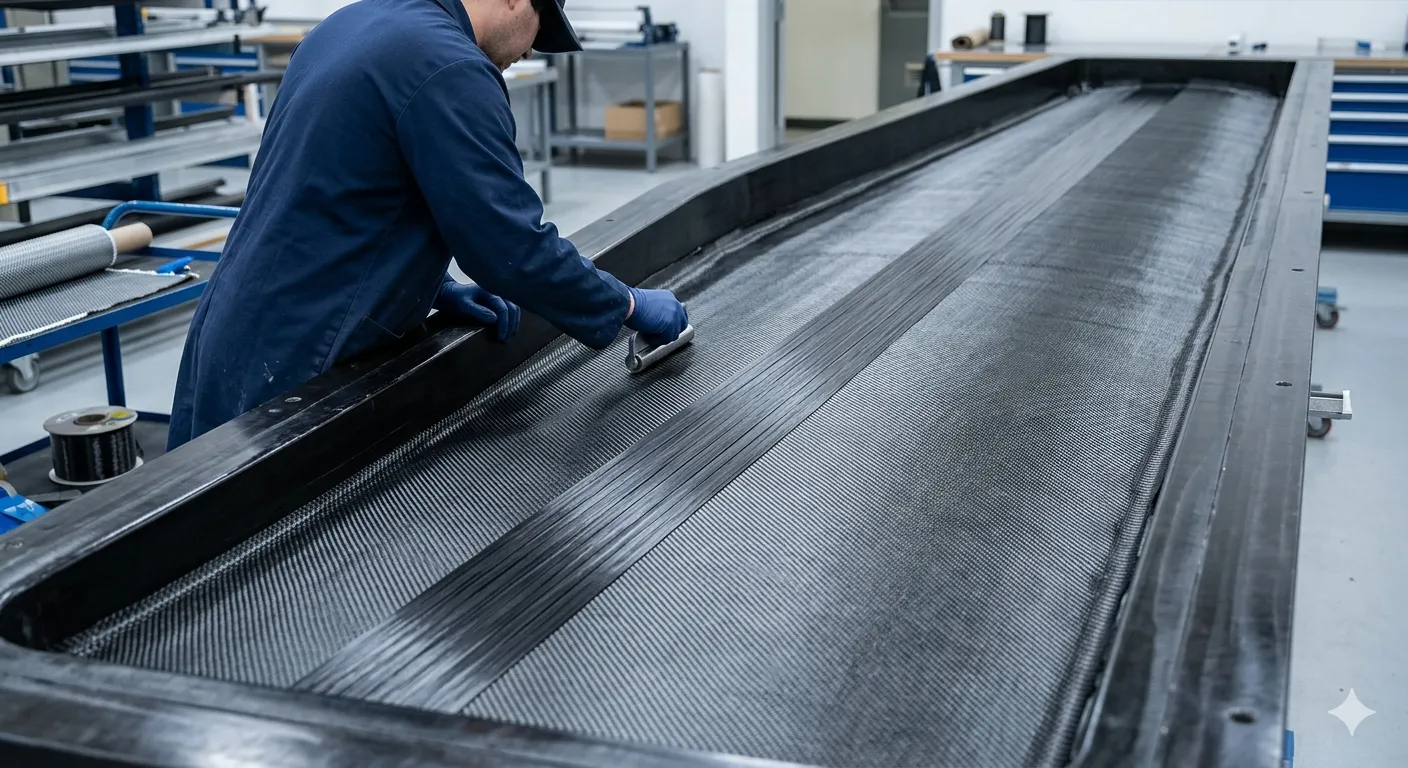
- Bridging in fabrics, peel ply, or vacuum bags
- Vacuum drop tests that pass — but aren’t quite tight enough
On their own, these may seem minor. But together, they can lead to rework, wasted material, and lost production time.
This is where the role of a distributor is evolving. It’s no longer just about supplying materials — it’s about providing the technical input that helps avoid these problems in the first place.
A short conversation early on can often prevent hours of troubleshooting later.
For many manufacturers, the question has shifted from “Where do we buy this?” to “Who helps us get it right first time?”
Reinforcement Architecture Matters More Than You Think
When it comes to composite performance, reinforcement often plays a bigger role than the resin system.
Fibre orientation, fabric type, and laminate structure all influence strength, stiffness, weight, and even how easily a part infuses. Yet many parts are still produced using familiar materials rather than optimised ones.
One of the biggest opportunities is moving away from chopped strand mat.
- Woven or stitched fabrics reduce resin absorption
- Higher fibre content improves strength and consistency
- Continuous fibres deliver more predictable performance
But choosing the right material is only part of the picture.
How the reinforcement is applied matters just as much. Fibre orientation should follow load paths, and patch placement should reflect real stress points within the part.
In practice, reinforcements are often added without fully considering these factors — which limits their effectiveness.
By refining reinforcement strategy early, manufacturers can:
- Improve overall part performance
- Reduce material usage and cost
- Simplify the manufacturing process
These gains happen before the first layer is even laid down — making reinforcement one of the most powerful (and often overlooked) levers in composite design.
Wrap-Up
That’s it for this month!
If you’d like more information on any of the topics above, or want to discuss your next composites project, our team is always happy to help.
For questions or orders, contact us at info@aerontec.co.za or give us a call.
The Aerontec Team